
Senior Care Options
Searching for senior care in Puget Sound can feel like trying to find your way through a thick fog.
We’re here to help families compare their options, from assisted living and memory care to adult family homes and in-home support.
Since every individual has unique health needs, safety priorities, and lifestyle goals, the "right" choice looks different for everyone. To clear up the confusion, we’ve put together a quick guide to the most common senior care models in the Seattle area.


Adult Family Homes
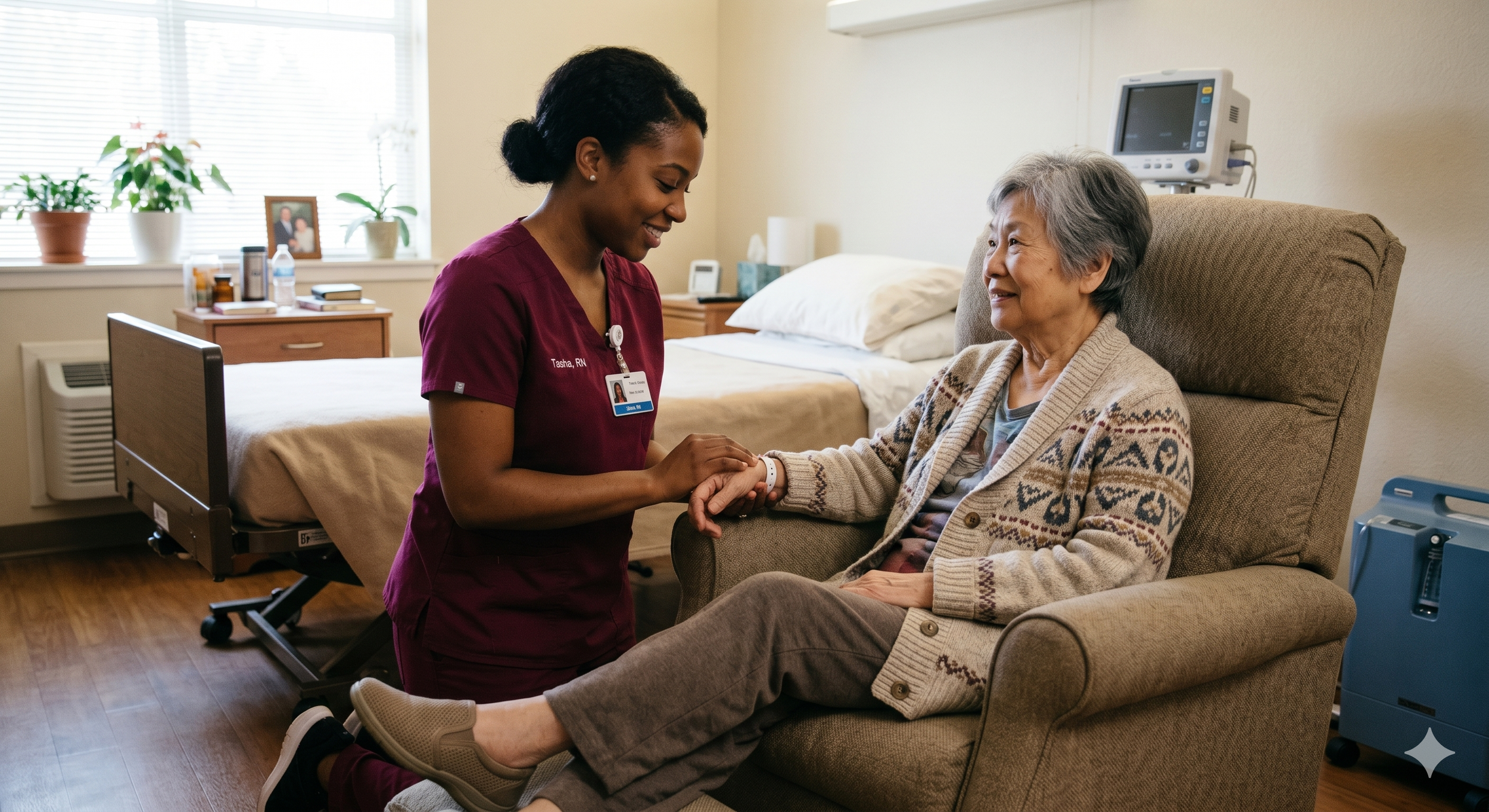
For families seeking a smaller, more "at-home" feel, Adult Family Homes (AFHs) offer a cozy alternative to larger senior living communities. Licensed by the Washington State Department of Social and Health Services, these private residences are capped at just six residents, ensuring a high staff-to-resident ratio and a deeply intimate environment.
These homes are as versatile as they are welcoming. Many AFHs specialize in dementia and memory care, and they are fully equipped to manage complex health needs, including hospice and end-of-life support.
To ensure every resident receives the appropriate level of medical attention, the state requires:
Mandatory RN Assessments: Before moving in, a Registered Nurse must evaluate the resident to create a tailored care plan.
Clinical Oversight: Every home operates under the supervision of a nurse to maintain high standards of safety and wellness.

Assisted Living
Assisted Living is designed for seniors who value their autonomy but need a bit of extra support to navigate their day safely. Unlike a clinical nursing facility, these communities typically feature private, apartment-style residences that allow for a sense of "home" while providing a safety net of professional care.
It is the ideal middle ground for those who don’t require 24/7 medical supervision but could use help with:
Daily Essentials: Assistance with bathing, grooming, and dressing.
Health Management: Oversight of medications and nutritional support through prepared meals.
Active Living: Maintaining a social lifestyle without the burden of household chores.
To ensure the community is a safe and appropriate match, a staff nurse will perform a pre-admission assessment. This evaluation determines the specific level of assistance required and confirms that the resident's needs can be fully met within the assisted living environment.

Memory Care
Memory Care communities are dedicated environments tailored exclusively for individuals living with Alzheimer’s or other forms of dementia. These settings prioritize both safety and quality of life by providing a controlled, secure atmosphere where residents can thrive under the care of specialized experts.
Because disorientation and a tendency to wander are common challenges, these communities offer specific features to ensure peace of mind:
Secure Living: Monitored entry and exit points, including protected outdoor courtyards, allow residents to enjoy the outdoors without the risk of getting lost.
Expert Caregivers: Staff members receive advanced training in dementia-specific communication, redirection, and behavioral support.
Navigable Design: From easy-to-follow floor plans to structured daily routines, every detail is engineered to reduce anxiety and promote a sense of familiarity.
For families concerned about a loved one’s safety due to memory loss, this specialized setting is often the most protective option. To ensure a smooth transition, communities typically require a formal dementia diagnosis and a comprehensive nursing evaluation prior to move-in.
Continuum of Care Communities
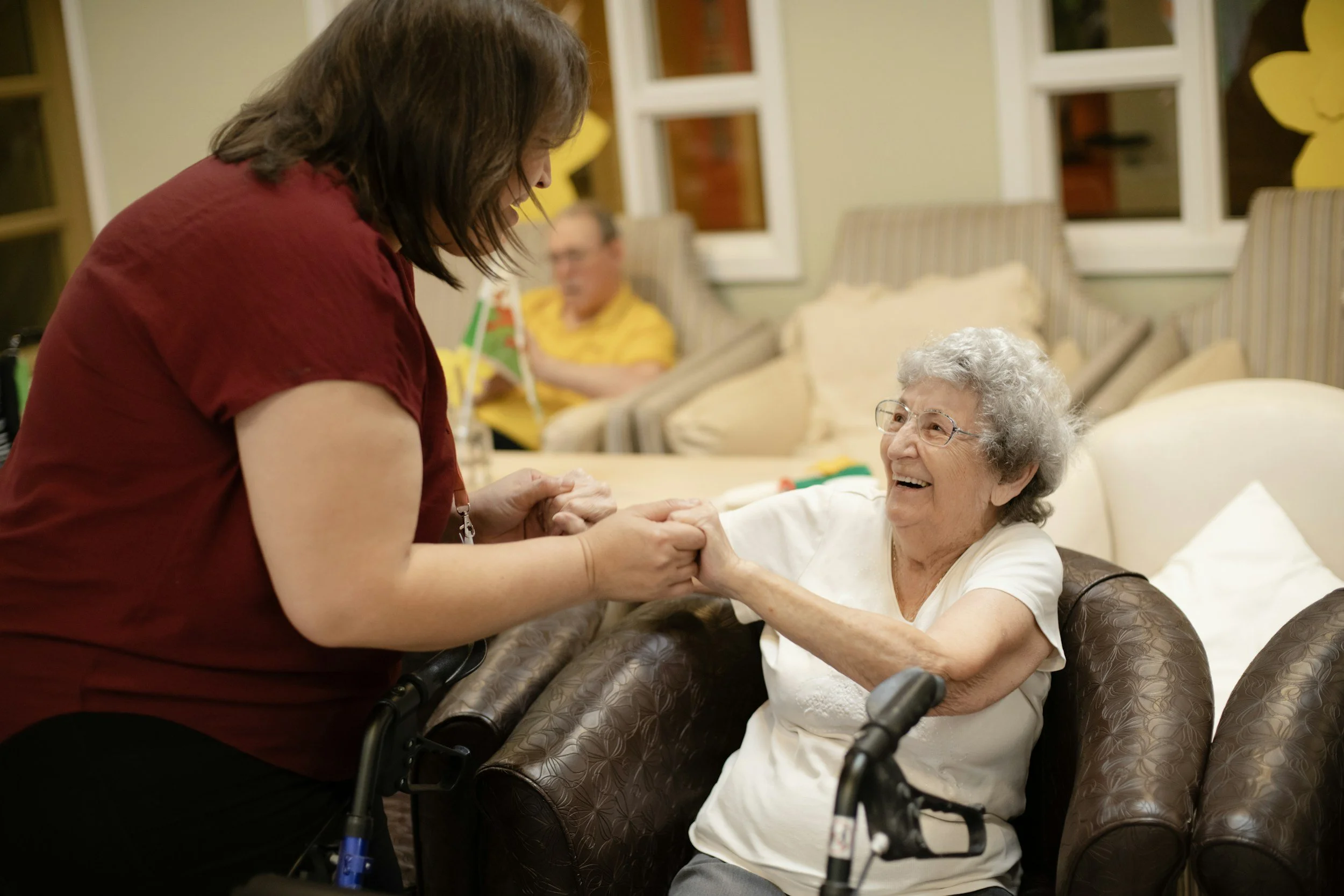
Often referred to as Continuum of Care communities, these campuses are designed to grow with you. The primary appeal of a CCRC is the ability to "age in place," meaning you can move in while fully independent and remain in the same community even if your health needs become more complex later on.
These expansive campuses typically house several distinct environments in one location:
Independent Living: For active seniors who want a maintenance-free lifestyle.
Assisted Living & Memory Care: For those requiring daily personal or cognitive support.
Skilled Nursing & Rehab: For higher-level medical care or recovery from surgery.
The biggest advantage here is stability. By choosing a CCRC, residents and their families avoid the stress of searching for a new facility or relocating during a health crisis; the support simply shifts to meet them where they are.
Skilled Nursing and Rehabilitation
Skilled Nursing Facilities (SNFs) offer the most intensive level of medical oversight available outside of a hospital setting. These facilities are staffed 24/7 by a clinical team that includes Registered Nurses, licensed therapists, and other healthcare professionals to ensure constant supervision and high-level medical management.
While some individuals require this level of clinical support long-term, SNFs are most frequently used for:
Post-Hospital Recovery: Short-term stays focused on healing after a major surgery or illness.
Intensive Rehabilitation: On-site physical, occupational, or speech therapy designed to help patients regain their strength and independence.
In many cases, skilled nursing serves as a vital "bridge." Once a resident has stabilized or completed their rehabilitation, they often transition into a more residential environment—such as assisted living, memory care, or an adult family home—to continue their care in a less clinical setting.offer the most intensive level of medical oversight available outside of a hospital setting.

Hospice Care
Hospice care shifts the focus to quality of life, providing medical, emotional, and spiritual support for patients and their families during a terminal illness.
Starting Care: Services begin with a physician's referral and a clinical evaluation to confirm eligibility.
Care on Your Terms: Hospice is a service rather than a place; the team meets you wherever you live, whether that is a private residence, an adult family home, or a senior living community.
Respite Care
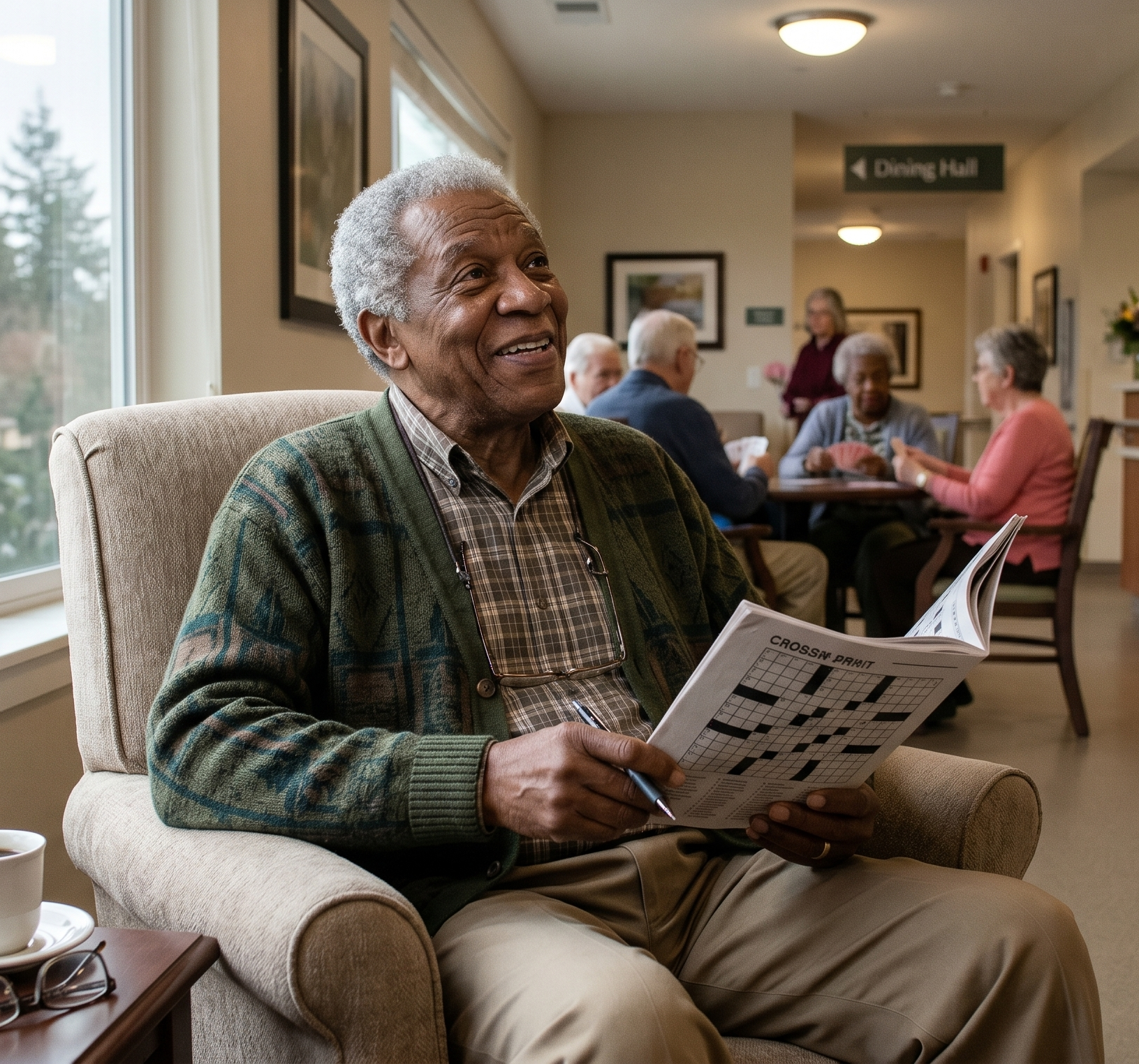
Caring for a loved one is a rewarding but demanding journey. Respite care provides a short-term residential stay for seniors, offering family caregivers a necessary opportunity to recharge, travel, or manage personal business without worry.
Professional Peace of Mind: While you take a break, your loved one is supported by a professional team in a safe, social environment.
Flexible Stays: These arrangements are designed for the short term, typically lasting under 30 days.
Burnout Prevention: Using respite care helps primary caregivers maintain their own well-being, ensuring they can provide the best care in the long run.
In-Home Care
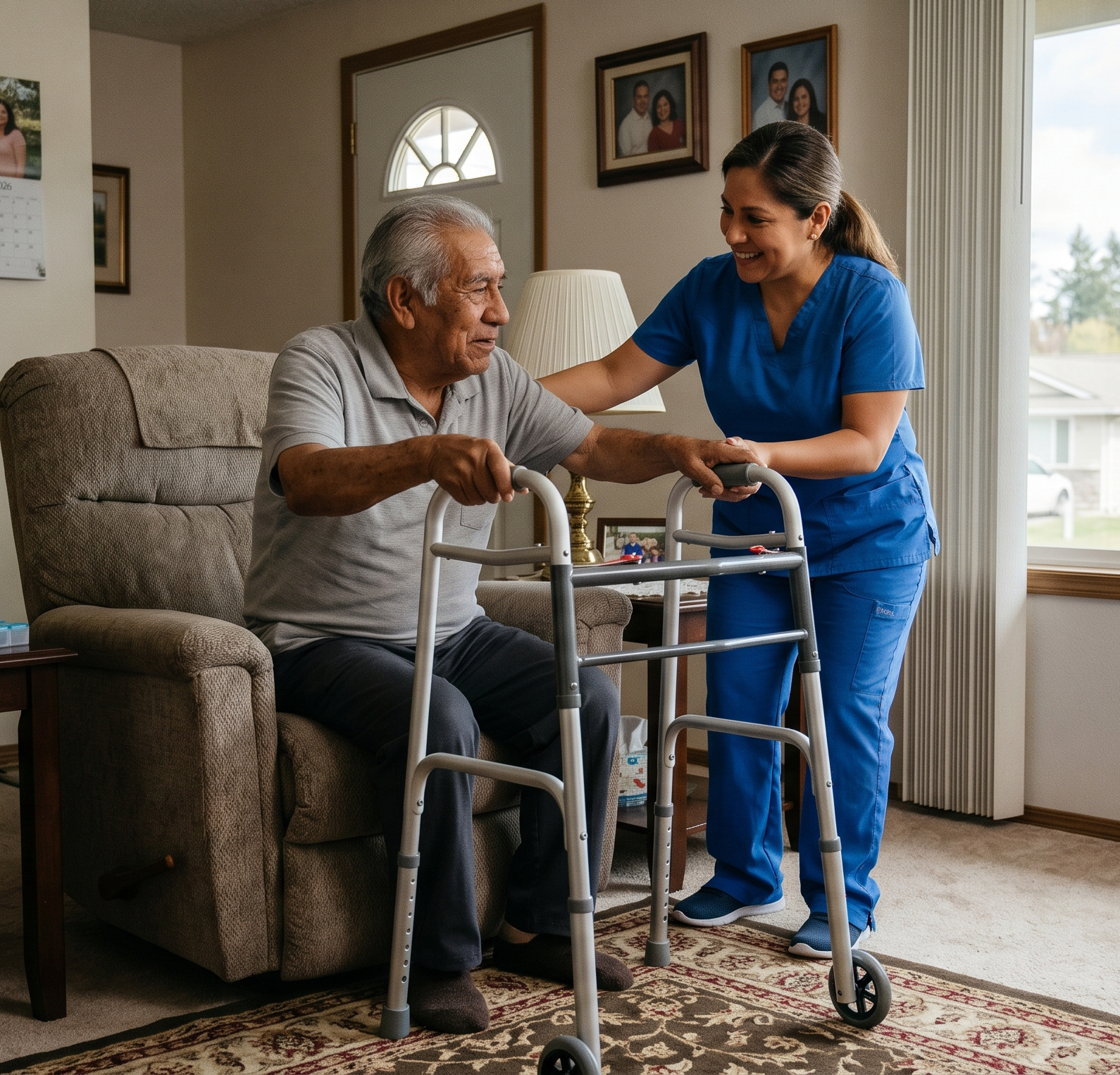
In-home care is the ideal solution for seniors who wish to age in place while receiving the help they need to stay safe and healthy. This model brings professional assistance to your front door, allowing you to maintain your independence in familiar surroundings.
The level of support is completely customizable:
Flexible Scheduling: Whether you need a few hours of help per week or full 24/7 supervision, services can be scaled to fit your lifestyle.
Daily Assistance: Caregivers provide essential support with tasks like bathing, dressing, meal preparation, medication reminders, and even transportation to appointments.
In Washington State, these providers are licensed and regulated by the Department of Health. To ensure the highest level of safety and reliability, we always recommend choosing an agency that is licensed, bonded, and insured, and one that prioritizes ongoing training for its staff.
Not Sure Which Option Is Right?
Every situation is different, and the right care setting depends on health needs, safety concerns, budget, and personal preferences. Haven Senior Solutions helps families in Seattle, WA understand their options and navigate the decision-making process.